Showing posts with label culture. Show all posts

Thursday, February 11, 2016

Culture & Psychology Summer School in Nagoya, Japan

We are super-excited to announce all the details for the next IACCP Culture & Psychology Summer School. The Culture & Psychology School is open to students at PhD and MSc level and is sponsored by the International Association for Cross-Cultural Psychology (IACCP). The goal is to provide specialized training by experts in topics of importance and relevance for studying psychology and culture in context.  In addition to its educational benefits, the programme is designed to facilitate cross-cultural contact and understanding among future academic leaders and to broaden their academic vision.  We really look forward in bringing bright minds from all corners of the world together and help them develop new research ideas and collaborations. The Culture & Psychology School is run in association with the 23rd IACCP conference to take place in Nagoya, Japan. 
A project presentation during the 2012 Stellenbosch Culture & Psychology School

There have been numerous changes based on the feedback and suggestions that we received after the last one in Reims, France. We are super-excited about the line-up and new programme. Here is an overview of the new programme, the stream leaders and content.

The new programme


We have received a lot of feedback and we have remodeled how we plan to run it. The major difference this year is that we have more methods. You will be able to choose both a content stream and a method stream. On the first day after some introduction and overview, you will be working with people in your content stream. On the second day, you can then choose one of three method streams and work hands-on under the guidance of experts. On the third day, you rejoin your content stream and you will integrate your new methods learned to your content area of study.

To make this work, we will expect that you do some prep work before coming to Nagoya. The stream leaders will provide some reading lists and tasks for you to complete before you arrive in Nagoya to get everyone up to speed with basics. Think of it as a mini-online course to help you get familiar with some of the material to make the most of your learning experience. We will facilitate this as best as possible and we are confident that you will enjoy this opportunity to interact online with your stream colleagues.  

Here are the stream leaders and their content and methods sections:

Cristine Legare


Cristine is a cognitive scientist who studies the ontogeny of cultural learning. She examines the interplay of the universal human mind and the variations of human culture to address questions about cognitive and cultural evolution. Her research and training reflect her commitment to an interdisciplinary approach to the study of cognitive development. Cristine draws on insights from cognitive, cultural, developmental, educational, and evolutionary psychology as well as cognitive and evolutionary anthropology and philosophy, with the aim of facilitating cross-fertilization within and across these disciplines. Her website can be found here. 


Content Stream: Cognition in Cultural Context


Human cross-cultural variation is unique among all animals in both its extent and structural complexity. Cultural variability is one of our species’ most distinctive features, yet the vast majority of psychological research continues to examine a population that is unrepresentative of human culture globally and historically—those from Western, Educated, Industrialized, Rich, and Democratic (WEIRD) backgrounds. Cristine proposes that cultural diversity is inextricably tied to childhood. The human capacity for cultural variability within and between groups must be ontologically prepared by a set of characteristics that enable, structure, and stabilize group-specific cultural information much beyond anything that has been observed in other primates. She will discuss how the capacity to learn, create, and transmit culture increases our understanding of the cognitive and cultural evolution of our species. Cristine will describe how my experimental and ethnographic research integrates theory and methodology from cognitive and evolutionary anthropology, psychology, and philosophy to examine the co-construction of cognition and culture. She will also provide an overview of research conducted at field sites in southern Africa, the U.S., Brazil, and Vanuatu (a Melanesian archipelago).

Methods Stream: From Ethnography to Experiments and Back Again


Cristine conducts mixed-methodological, cross-cultural research to examine cognition in context. She will discuss how she “mines ethnography” to inform her experimental research and the ways in which experimental research can be used to test hypotheses about the cognitive psychological underpinnings of cultural beliefs and practices. Cristine will also discuss best practice for elevating the state-of-the-science in cross-cultural research as well as strategies for publishing interdisciplinary research.

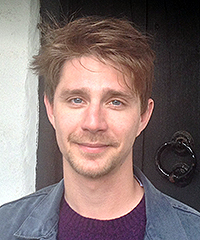
Matt Easterbrook


Matt is part of the Social and Applied Psychology Research Group at the University of Sussex, UK, where he researches and lectures on the psychology of inequality.  His research investigates how selves and identities are influenced by different social structures, cultural orientations, and group memberships, and the consequences of these things for personal well-being, trust, motivation, and socio-political outcomes.  His research often uses multilevel and longitudinal study designs and advanced statistical analyses to investigate these issues. His website is here.


Content stream: The self and social inequality 


Against a backdrop of unprecedented and rising levels of inequality across the world, this stream will cover contemporary social psychological theories of inequality and social class.  We will begin by reviewing the broad consequences of inequality for nations and individuals, before discussing the pivotal role of the self as the explanatory nexus between structural inequality and individual characteristics.

Method stream: Multilevel modelling


This stream will begin with a discussion of the research designs that give rise to multilevel data, and why multilevel modelling of nested data is important and useful.  We will then cover how to manage and set up multilevel data in SPSS, and how to import, run and understand different multilevel models using HLM.  

Nicolas Geeraert


Nicolas is a senior lecturer in Psychology at the University of Essex (UK). He trained as a social psychologist (PhD, 2004, Louvain-la-Neuve, Belgium) looking at stereotypes and attribution theory. His current research interests are in cross-cultural psychology and acculturation. He has extensive experience in conducting longitudinal projects which he has used in a number of acculturation projects. His website is here.

This is Nicolas one or two weeks ago ;)


Content stream: Acculturation & intercultural contact


Intercultural contact leads to challenges and changes. This stream will explore how acculturation unfolds as a process requiring the acculturating individual to copes with cultural stressors and cognitively organize their heritage and settlement cultures. We will discuss how acculturation takes place within the ecological context of families, institutions, and society.

Methods stream: Longitudinal methods


Longitudinal research is an increasingly popular tool for cross-cultural researchers. This workshop will explore the strengths and advantages of longitudinal research and how to practical set-up a longitudinal study in terms of design, participant management, data preparation, etc. Different methods to analyse longitudinal data will also be discussed. 


Endorsement by Previous Participants


Ceren Gunsoy


I attended the IACCP summer school in Reims, France, as a third year PhD student at Iowa State University. It was a great experience! Not only the topic stream that I was part of but also the talks, discussions, and social activities were very informative, thought-provoking, and fun. On top of that I met great people and am still in touch with them. I strongly recommend this program!


Colin Scott


The 2014 Summer School in Reims, France, was a fantastic opportunity to connect with researchers interested in a range of topics in cross-cultural psychology.  Seminars with leaders in the field offered a hands-on opportunity to build new collaborations while getting critical and constructive feedback from faculty and students on our own work.


Costs


The cost for the summer school will be 200 Euro for participants from high-income countries (as per IACCP fee structure) and 150 Euro for participants from low income countries. The fee includes accommodation, welcome dinner, lunches and coffee breaks. This is pretty damn good value for a three full day workshop with world leaders in the field of psychology and culture, providing you with cutting edge skills and material. 

The Schedule


March 20: Deadline for applications
April 3: Decisions on applications
April 4: Work in online study groups commences
June 20: Submitting initial research ideas to stream leaders

July 26- 30: Culture & Psychology School in Nagoya Hill
July 26 evening – arrival at Nagoya hill station, general welcome and get to know each other
July 27– Introduction & work in content streams
July 28– work in methods streams
July 29 morning – we bring content and methods back together, discussion of research ideas and plans
July 29 afternoon – sharing experiences by stream leaders on how to publish cultural research
July 30 – transfer to Nagoya.

July 30 – Aug 3: IACCP conference in Nagoya

Accommodation & Logistics


The school will take place in a mountain retreat two hours away from Nagoya. It will be a fascinating cultural experience since we are going to be in a small community off the beaten track in a more traditional Japanese environment. All sleeping places are shared and we will sleep on futons. Please bring your own toiletries and towels be prepared to share a communal space. There will be NO towels available and only shared shower facilities. It is a traditional setting and we only have one hour per day in the evening when you can take a shower. I realize that this may be unusual or inconvenient, but I really hope you will be able to use this as a cultural learning experience and enjoy this cultural challenge. 

We have your dietary requirements and will try our best to accommodate them. The food will be in traditional Bento style. Feel free to buy additional food of your preference on the way, there is some (limited) refrigerator space where it can be stored. Here is the link to the place (use google translate to get it in English).

Application and Further Info


The application form is now available. Check here for any updates. A poster to share with colleagues and friends is here. Print it and spread the word! If you have any questions about the programme, the stream leaders or the general procedure, please do not hesitate to contact me or Yasin.  

Happy to answer your questions and look forward to seeing you all in Nagoya in a few months!


Monday, March 2, 2015

A gentle intro to cross-cultural equivalence - or how can we measure across cultures?

Psychology is the study of human behaviour and mental processes through scientific methods. The claim of psychology is often to be universal, that is applicable to all of humanity. Using scientific methods, we psychologists rely on a systematic and objective process of proposing and testing hypotheses and making predictions about the state of human nature.  Ever since the beginning of psychology as an academic discipline, the scientific quest to quantify natural occurrences to better understand and predict them in the future became one of the ultimate goals. Of course, this requires often extensive qualitative research, but ultimately the hope was and is that we can understand a behaviour or mental process so precisely that we can quantitatively measure it and also change it.


The application of such quantitative methods are now often taken for granted, even though the levels of quantification may vary. For example, we may want to select the most able person for a particular job, refer a child with learning problems to a specialist or we may wish to help a person with mental health problems to fully function in society again. Even though all these problems can be phrased in qualitative terms (a good person for the job, a child that has problems learning, a person who is not well), these are essentially quantitative problems because they always have some reference to implicit or explicit standards. A person might be BETTER qualified than another to take up a job or a person may have GREATER problems understanding concepts or material than 75% of the children of her age. Therefore, in many day-to-day situations we make implicit and intuitive quantitative statements.

If we want to make quantitative statements about a scientific concept, we run into one of the central problems in psychology. This is namely WHAT do we want to make a comparison about? Or in other words, how do we define a psychological construct so that we can measure it? A geographer, chemist or physicist is unlikely to phase the problems that psychologists have… after all, we can easily measure distances (e.g., how far is Auckland from Wellington), we have ways of dating the age of a piece of rock or we can measure the energy of particles when we collide them at the near speed of light. Psychologists on the other hand are dealing with intangible concepts that are difficult to specify. Most of you are familiar with concepts such as intelligence, attitudes, personality traits, depression or identity. However, if we were to ask you to pinpoint any of these concepts in the real world, we would be unable to do so. Our psychological terminology refer to unobserved mental constructs that we create in our community of fellow psychologists to indicate a particular set of problems, describe a particular set of behaviours or mental representations. I would argue that underlying many of these psychological terms are assumptions about relative coherence, stability, generalizability and potentially even some general biological foundations that lead to the emergence of such a syndrome. Therefore, we don’t just invent these terms on a whim, but we think that there is something meaningful to them that we think is important enough to look into and tell other people about.

Therefore, the first issue in any psychological study, even though it may not seem obvious anymore, is to clearly and unambiguously define and specify what we want to study. What is our construct or process of interest? It is at this point, that culture will throw the first curve ball at any psychologist attempting to address this question. How can we make sure that our definition or mental construct of our psychological term or process is actually valid or does have some meaning in another cultural context? How does our upbringing in a highly developed Western society influence how we think about psychological constructs? Can we assume that identity is a concept that is meaningful in a village in the lowland Amazon basin? Is our definition of depression applicable to refugees coming from Syria or Iraq? Is conscientiousness a useful term to screen out applicants for jobs in an international organization? Therefore, the first problem in any psychological study is to unambiguously define and describe the psychological process for all the populations that we are interested in. We could think of this as a mental bubble that we draw around some problem or process. Does this bubble ‘exist’ in all the different cultures that we want to include in our study? How can we find out whether this bubble is meaningful and has some value or relevance for all the local populations? We will discuss this as the question of functional equivalence.

If we are confident that there is some value to this mental bubble of ours (let’s say, depression, personality or identity) and that the terms are meaningful in two or more cultures, then we need to find good indicators for it. In psychological terms, this is called operationalization. How can we empirically say that one person has more of this latent category quality that we just created with our mental bubble compared to another person? What would be a good indicator to tell us that one person is better for a job compared to another person or that one person is a better learner than another, who in turn may need some help? Here again, culture will throw lots of beautiful little challenges at us. We need to find indicators that are meaningful and relevant in each cultural context, but obviously we would still need to be able to compare the results across contexts. Therefore, we can’t have indicators that are relevant and meaningful in each context, but cannot be compared across cultures. We want to aim for some level of comparability. For example, is staying late at your desk a good indicator of being conscientious? Or could it be seen as being disorganized and incompetent? What if people are unfamiliar with office jobs? Is the number of items that you circled the temple this morning before going to work a better indicator of your conscientiousness? Is the ability to track animals over long distances and varied terrain a good indicator of concentration?  Or should we give people lots of d’s and b’s and p’s and q’s and then ask them to count how many p and q’s were together in each line? Should we measure intelligence by asking people to name as many types of medicinal plans for diarrhoea? Or give them complex questions about history and philosophy? This problem of identifying good measurement indicators will be called structural equivalence. Obviously, how we define and how we operationalize a construct is very much dependent on each other. For this reason, some researchers lump the two terms together as construct equivalence. For reasons that we will discuss later, I prefer to keep them separate.

So, we now have a mental bubble and we have a number of indicators that give us some clue about the latent bubble. However, we don’t actually know how good each of these indicators is in representing that latent bubble. We need to find a way to show us how well each indicator works in each of our cultures. In other words, is the same indicator better in capturing a key aspect of our construct in one culture compared to another? For example, is going to parties and having lots of friends a good indicator of extraversion? Is having many wives a good indicator of social status in all cultures? Is staying late at work to finish a good indicator in all cultures for high conscientiousness? This problems is called metric equivalence. It is the question about the relative strength of the indicator-latent variable relationship. In technical terms, we are concerned with the equivalence of factor loadings or item slopes in classic test theory or the item discriminability in item response theory.

Finally, we may be convinced that our indicators work equally well in all contexts. Each questionnaire or test items is really giving us a good and reliable insight into the construct. But there may be still problems. Some items, even though they have the same relationship with the latent construct in all cultures, may still be a bit more difficult or easier in one context compared to another.  If I would ask you to name the capital of Benin, most of you would probably struggle finding the correct answer. Benin is a country that is quite far from our thoughts and most of us will never set foot in this place or may not have heard about it in the media. However, if I would ask you about the capital city of one of your neighbouring countries, you would probably quite easily be able to name it. Therefore, asking about the capital of Benin would be easier for somebody living in Togo or Nigeria compared to somebody living in NZ or Denmark. This is the issue of full score or scalar equivalence. Technically, we would look at the invariance of item intercepts (in a multi-group CFA) or the differential item difficulty (in IRT).


In summary, measuring psychological attributes or processes across cultural contexts is quite difficult. I gave some relatively superficial and easy examples to make this a relatively non-technical and easy intro to the problem. We need to define our construct – draw our mental bubble around what we want to study. The first step in any cultural study then is to make sure that this construct or mental bubble is meaningful and functional in all cultures that we want to study. Once we think this is the case, we need to find good indicators that are observable and give us some insight into the position or state of an individual in relation to our mental bubble. We then need to discuss whether the indicators are equally good in all contexts or whether some are better in telling us something about a person or process in one cultural context compared to another. Finally, we need to find out whether all indicators are equally easy or difficult. Only once we have fulfilled this last criterion can we actually make any comparisons between individuals or groups across cultures. This is a tough task and unfortunately, most studies that you will see in the literature do fall well short of it. But this is the challenge that we really need to meet in order to develop a meaningful and universal psychological science. 

Wednesday, December 17, 2014

The beauty of black and white

Marcel Cesar, a friend of mine, nominated me for a five-day black and white challenge on FB. The task was to post one picture per day, for five days. He posted some pretty amazing ones and seeing some of those amazing pictures by him and others, I thought I would try to match their brilliance. 
It had been ages since I last took BW photos. I had been trained to do all the processing in a darkroom when I was a kid, but after I switched to digital, I hardly used BW settings or converted pictures to BW afterwards. However, when experimenting in the evenings with some shots that I liked or had taken a while ago, I started to remember what had drawn me to photography as a kid. Pictures in BW have this timeless quality, simple shots are rendered art and captured history at the same time. Simple moments that would pass in a flash suddenly feel like they carry bigger significance, being transformed into instant classics. 

I just wanted to give a bit of background to those five pictures that I had selected. For me good photography (and photos) tell stories. I want to capture a moment that appears significant or beautiful or both. I have memories and thoughts attached to most photos that I take and I want to share a bit of how I see the world. When I see photos taken by others, I also try to find the stories that they capture or the thoughts that the photographer may have had when taking the shot. We probably all see different stories unfold in these frozen moments, but this is the fun to decipher somebody else's mind and see the world through their eyes. 


This is a portrait of Gi, a great friend of mine. We always catch up with each other when I happen to pass through Brazil and we have done a few photo shots over the years. This was on a hot Saturday afternoon in Lapa, the bohemian centre of Rio de Janeiro. Lapa, even though dizzily crowded with party-goers at night and with people hurrying about their business during weekdays, is eerily empty on weekends during the heat of the midday sun. We were just crossing the sun-bleached square in front of the arcs when I snapped this picture. For me, the smile and the sun capture two of the most iconic features of Rio. 


This was the finishing moment of one of the dance performances during the 2014 Diwali celebration in Wellington. Diwali in NZ has turned into a celebration of Indian culture, with dance and music performances by Indian school and community groups, arts and craft shops and lots of food stalls. It is secular public ritual and has quite a different vibe and atmosphere compared to Diwali in India. I like this shot because of its ephemeral grace and humbleness in the gestures of the dancers. 


The sky over Kaikora was breathtaking. We were preparing for some weekend tramp in the mountains around Kaikora and walked out to this spot by the beach to enjoy the sun. Some seals were playing in the water and lots of people were out and about on this sunny autumn day. I had a Canon 10D and was playing around with different tone options at that time. Being shot in sepia, for me, this shot captures the simplicity and timeless beauty of NZ. 


This is a deeply spiritual picture. I snapped this moment at the end of the street procession during the Vegetarian Festival, a Taoist celebration in Thailand. A spirit medium (ma song) is about to awake from trance and the priest (huat kua) is performing the rites to bring the human back. The incense has a deep spiritual significance here, because the central god takes the form of incense smoke. 


This photo was originally shot in BW. It is a scene from a market on the outskirts of the old city in Damascus. I was teaching in Beirut, Lebanon in 2005 and went to Damascus for a weekend. Meandering aimlessly through the maze of 5,000 year old streets, I came out to this little square where neighbors had organized a small fair with very simple carousels and stalls. These kids happily showed me the goldfish that they had just bought. Simple happiness and pleasures. It is sad to know that these peaceful places have disappeared in the bitter brutality of a civil war. 

Saturday, April 19, 2014

Ed Wilson's Naturalist - a great biography of a fascinating environmentalist & scientist

I finished reading E.O. Wilson's biography 'Naturalist' yesterday. It took me a few pages to get into it, but it provided a fascinating glimpse into the life and philosophy of one of the most outstanding biologists and scientists still alive. He created some of the greatest controversies in science in modern times (the sociobiology debate), popularized the term 'evolutionary biology' and has made a huge impact on the environmental movement the world over (with helping to coin the term biodiversity and advancing the biophilia hypothesis - well, in the book he makes it clear that he did not invent the term biodiversity and initially even objected to it).


It is the self-portray of a highly introvert, but extremely ambitious individual, obsessed with understanding biological diversity (especially of ants), often plagued by insecurity and self-doubt, but also extreme boldness, political naivety and self-assurance that have landed him in a few hot spots.
I really appreciated his explanations of how he got to the intellectual positions that he was arguing for, his willingness to listen and change perspective if proven wrong and his very honest style of writing. The book provides quite a few back stories about the politics and history of a particular era of modern science and interesting perspectives on a number of major scientists. I was certainly not aware of the importance that Watson and the molecular revolution had on biology and the major debates (Wilson called them the molecular wars) that it created. But looking across the buildings to my biology colleagues, it explains a few of the ongoing debates and peculiarities.
I came across a reference to this autobiography in Sense and Nonsense, Kevin Laland and Gillian Brown's great summary of evolutionary approaches to human behaviour. Ed Wilson is a central and controversial figure in this whole approach and since I am going to teach a session on evolutionary approaches to culture, I thought I might as well have a look what Wilson had to say about his own life and work. It was a rewarding read and provided many insights to an important era of biology. Nearly every second page had quotes worth noting down, a true gem with good explanations and interesting advice to young and experienced scientists. I may not always agree with him, but he certainly has achieved a lot with his style, approach and determination. Since I may use some of them for my own writing and teaching, I am going to share some of these quotes as well as some longer summaries of key ideas here.

Over to Wilson himself....

His three big truths (all page numbers refer to the 1994 Island Press edition):
First, humanity is ultimately the product of biological evolution; second, the diversity of life is the cradle and greatest natural heritage of the human species; and third, philosophy and religion make little sense without taking into account these first two conceptions (p.363)
On his ambitions as a young scientist and the social nature of science (p.210):
... I was still obsessed by an elemental self-image: hunter in the magical forest, searching not just for animals now but also for ideas to bring home as trophies. A naturalist, real and then more metaphorical, a civilized hunter. I was destined to be more of an opportunist than a problem solver. The boy inside me still made my career decisions: I just wanted to be the first to find something, anything, the more important the better, but something as often as possible, to own it a little while before relinquishing it to others. I confess that to the degree I was insecure, I was also ambitious. I hungered for the recognition and support that discovery in science brings. To make this admission does not embarrass me now as it would have when I was young. All the scientists I know share a desire for fair recognition of their work. Acknowledgements is their silver and gold, and why they are usually very careful to grant deserved authority priority to others while so jealously guarding their own. New knowledge is not science until it is made social. The scientific culture can be defined as new verifiable knowledge secured and distributed with fair credit meticulously given [note: I really like this phrase]. 
On the ideal conditions for developing as a scientist - or as a political revolutionary (I love the analogy) (p. 108):
Start with a circle of ambitious students who talk and work together and conspire against their elders in order to make their way into a particular discipline. They can be as few as two or as many as five; more than five makes the unit unstable. Given them an exciting new idea tha can transform the discipline and with which they can advance their ambitions: let them believe that they own a central truth shared by a few others and therefore a piece of the future. Add a distant authority figure, in this case a scientist who has written a revolutionary test, or at least a circle of older revolutionaries who have generated the accepted canon.... Bring on a local role model, an older man or woman who promotes The Idea and embodies in his character and working habits the ideals of the youthful discipline. 
Another quote that shows his ambition (p. 232):
By this time I had been radicalized in my views about the future of biology [here he refers to what was called the molecular wars, the discovery of the double helix by Watson - one of his colleagues and how this led to a major split in biology]. I wanted more than a sanctuary across the street, complete with green eyeshades, Cornell drawers of pinned specimens, and round-trip air tickets for field work in Panama. I wanted a revolution in the ranks of the young evolutionary biologists. I felt driven to go beyond the old guard of Modern Synthesizers and help start something new. That might be accomplished, I thought, by the best effort of men my age (men, I say, because women were still rare in the discipline) who were as capable and ambitious as the best molecular biologists. I did not know how such an enterprise might be started, but clearly the first requirement was a fresh vision from the young and ambitious. I began to pay close attention to those in other universities who seemed like-minded. 
On different types of scientists (p.210):
 Scientists, I believe, are divided into two categories: those who do science in order to be a success a life, and those who become a success in life in order to do science. It is the latter who stay active in research for a lifetime. 
On paradigm shifts in science (p. 220):
When one culture sets out to erase another, the first thing its rulers banish is the official use of the native tongue (referring to the bad meaning that 'ecology' had taken on after the molecular revolution). 
On the importance of enemies (p. 218):
Without a trace of irony I can say I have been blessed with brilliant enemies. The made me suffer (after all, they were enemies), but I owe them a great debt, because they redoubled my energies and drove me in new directions. We need such people in our creative lives. As John Stuart Mill once put it, both teachers and learners fall asleep at their posts when there is no enemy in the field.  
An observation of G. Evelyn Hutchinson, a science guru who inspired large number of young scientists and how he managed to do this (p. 237):
He did nothing, except welcome into his office every graduate student who wished to see him, praise everything they did, and with insight and marginal scholarly disgressions, find at least some merit in the most inchoate of research proposals. He soared above us sometimes, and at others he wandered alone in a distant terrain, lover of the surprising metaphor and the esoteric example. He resisted successfully the indignity of being completely understood. He encouraged his acolytes to launch their own voyages. 
Wilson's advise for young scientists to develop their own field of research (p.123, after having discussed his failings to become a champion runner):
I have evolved a rule that has proved useful for myself and might be for others not born with championship potential: for every level of mathematical ability there exists a field of science poorly enough developed to support original theory. The advice I give to students in science is to move laterally and up and down and peer all around. If you have the will, there is a discipline in which you can succeed. Look for the ones still thinly populated, where fine differences in raw ability matter less. Be a hunter and explorer, not a problem solver. Perhaps the strategy can never work for track (running), with one distance and one clock. But it serves wonderfully well at the shifting frontiers of science. 

Scientific summaries and comments on sociobiology


On genetic determinism (p.332-333):

Genetic determinism, the central objection raised against book two (the chapter on humans), is the bugbear of the social sciences. So what I said that can be indeed called genetic determinism needs saying again here. My argument ran essentially as follows. Human being inherit a propensity to acquire behavior and social structure, a propensity that is shaped by enough people to be called human nature. The defining traits include division of labor between the sexes, bonding between parents and children, heightened altruism toward closest kin, incest avoidance, other forms of ethical behavior, suspicion of strangers, tribalism, dominance orders within groups, male dominance overall, and territorial aggression over limiting resources. Although people have free will and the choice to turn in many directions, the channels of their psychological development are nevertheless - however much we might wish otherwise - cut more deeply by the genes in certain directions than in others. So while cultures vary greatly, the inevitably converge toward these traits. The Manhattanite and the New Guinea highlander have been separated by 50,000 years of history but still understand each other, for the elementary reason that their common humanity is preserved in the genes they share from their common ancestry. 
... the important point is that heredity interacts with environment to create a gravitational pull toward a fixed mean. It gathers people in all societies into the narrow statistical circle that we define as human nature.
Page 335-336:
What made Sociobiology notorious then was its hybrid nature. Had the two parts of the book been published separately, the biological core would have been well received by specialists in animal behavior and ecology, while the writings on human behavior might easily have been dismissed or ignored. Placed between the same two covers, however, the whole was greater than the sum of its part. The human chapters were rendered creditable by the massive animal documentation, while the biology gained added significance from the human implications. The conjunction created a  syllogism that proved unpalatable to many: Sociobiology is part of biology, biology is reliable; therefore human sociobiology is reliable.

In fact, I would love to quote large sections of chapters 16 and 17, because they contain so much rich material on the history and dynamics of the debate and how Wilson saw himself in the middle of this political mix.

Here is another important development, one that is often ignored. Having being challenged extensively for his application of sociobiology to humans, in particular the challenge of ignoring culture, he developed the concept of gene-culture-coevolution together with Charles Lumsden. Here is a longer quote with a summary of the basic premises (p.350-352).
We reasoned as follows. Everyone knows that human social behavior is transmitted by culture, but culture is a product of the brain. The brain in turn is a highly structure organ and a product of genetic evolution. It possesses a host of biases programmed through sensory reception and the propensity to learn certain things and not others. These biases guide culture to a still unknown degree. In the reverse direction, the genetic evolution of the most distinctive properties of the brain occurred in an environment dominated by culture. Changes in culture therefore must have affected those properties. So the problem can be more clearly cast in these terms: how have genetic evolution and cultural evolution interacted to created the development of the human mind? ... We were looking for the basic process that directed the evolution of the human mind. We concluded that it is a particular form of interaction of genes and culture. This "gene-culture coevolution", as we called it, is an eternal cycle of change in heredity and culture. Over the course of a lifetime, the mind of the individual person creates itself by picking among countless fragments of information, value judgement, and available courses of action within the context of a particular culture. More concretely, the individual comes to select certain marital customs, creation myths, ethical precepts, modes of analysis, and so forth, from those available. We called these competing behaviours and mental abstractions "culturgens". They are close to what our fellow reductionist Richard Dawkins conceived as "memes". ... Each time an individual modifies his memories or makes decisions, he entrains intricate sequences of physiological events that run frist from the perception of visual images, sounds, and other stimuli, then to the storage and recall of information from long-term memory, and finally to the emotional assessment of perceived objects and ideas. Not all culturgenes are treated equally; cognition has not evolved as a wholly neutral filter. The mind incorporates and uses some far more readily than others. ... All are diagnostic of the human species, all part of what must reasonably be called human nature. Such physiologically based preferences, called "epigenetic rules", channel cultural transmission in one direction instead of another. By this means they influence the outcome of cultural evolution. It is here, through the physical events of cognition, that the genes act to shape mental development and culture. The full cycle of gene-culture coevolution as we conceived it is the following. Some choices confer greater survival and reproductive rate. As a consequence, certain epigenetic rules, those that predispose the mmind toward the selection of successful culturgens, are favored during the course of genetic evolution. Over many generations, the human population as a whole has moved toward one particular "human nature" out of a vast number of natures possible. It has fashioned certain patterns of cultural diversity from an even greater number of patterns possible.  
 This book has helped me appreciate and re-evaluate his work on a different level. I hope this is reflected in my teaching ;)

Thursday, March 13, 2014

Pain increases happiness... or why watching other people suffer can be more painful than suffering yourself


Why do people voluntarily engage in pain? We conducted a study a few years ago and the articles and a media release by our university are just out this.

We were interested in individuals who participate in objectively painful religious rituals. Western theories and observers would argue that people engaging in these activities risk infection, experience negative emotions and should feel less happy after the ritual, compared to others who do not engage in these behaviours. There is quite a bit of research in medical areas that talk about the negative effects of large scale religious events, especially if they involve painful activities (just think of jumping into ice cold water, walking over burning hot coals, piercing yourself with unsterilised metal rods, etc.).

We studied a festival on the small island of Mauritius in the Indian Ocean, just off the coast of Africa. The festival involves 10 days of fasting and prayers, and culminates in a long procession and fire-walking ritual. What was particularly interesting for us was to study the effects that active participation in the firewalk as the focal element of the ritual had on people, compared to others who participated, but did not do the firewalk or merely watched from the sidelines.

We invited fire-walkers (‘high-ordeal’ participants); people participating in the ritual without engaging in the high-intensity activities (‘low-ordeal’ participants); and spectators to be part of our study. The fire-walkers and ‘low-ordeal’ participants were members of the same families. The support from the local temple and community was actually phenomenal. We had to turn people away, because we did not have enough resources to study everyone. Here, the hard work by Dimitris Xygalatas in setting up the field site and establishing the connections with the local community really paid off!

Participants walked barefoot in the midday sun without eating or drinking while carrying pots of sacrificial offerings. The fire-walkers were pierced with needles or skewers and finished the procession by walking over knives and burning coals.


Our design was super-ambitious though. We asked individuals a few questions before the whole festival started, measuring their initial states of happiness and fatigue and we also strapped them up with mobile heart rate monitors. This allowed us to track their physiological arousal during the festival. We then asked people again after the end of the ceremony.

To examine the effects of participation, we compared the levels of happiness, fatigue and heart rate of low- and high-ordeal participants, and found that fire-walkers had experienced the highest increase in heart rate and reported greater happiness and less fatigue post-ritual.

Even more interesting was the experience of ‘low-ordeal’ participants because of their relationship to the fire-walkers. Fire-walkers experienced the emotional ‘high’ upon finishing the ritual, whereas ‘low-ordeal’ participants did not, while simultaneously worrying about the well-being of their friends and family. These people, even though they did not physically experience the pain, felt more exhausted than the fire-walkers. Sometimes, perceiving other people suffer can be more exhausting than actually experiencing the pain yourself.

The Team of Investigators - after the ritual ordeal is over

In the paper, we provide some speculations about potential biological mechanisms, especially opioid systems and pain-offset mechanisms to guide future research. The study of voluntary pain is highly fascinating and there is so much that we don't yet understand (see also my earlier posts about extreme rituals in this blog).

For those interested, the paper can be found here (it is open access, so no fees) and the media release is here.

Friday, March 7, 2014

Indigenous or not indigenous.... that is the question

Today I listened to a really interesting talk by Peter Smith from Sussex Uni. He was presenting his work on social influence, including some of the new stuff on different indigenous social influence strategies such as the Chinese guanxi, Brazilian jeitinho, Middle Eastern wasta and Russian svasy. These are all local behaviours that individuals may adopt to solve problems in their environment, typically by relying on social relationships or their power (e.g., for a great example from the news this morning - the son of the Iraqi transportation minister forcing a plane to return to Beirut). Peter and his colleagues asked students and managers to come up with good examples of each local cultural strategy in their local culture. They then took the most representative scenarios from each culture, removed any identifying content and gave it to managers in other cultures. What they found was that the supposedly indigenous influence strategies were generally seen as typical even in other cultures. In other words, British 'pulling strings' was often as likely to be seen as applicable and typical in China and Saudi Arabia as in the original British context.
This clearly challenges notions that indigenous influence strategies are unique and distinct to a specific local context. Of course, he immediately got challenged by some people in the audience defending the indigenous approach, claiming that these wimpy scenarios miss the rich context and the social relationships that go with each style.
I think that there are subtle differences in how these influence strategies work and are employed (see for example our qualitative ethnographic work on Brazilian jeitinho here and a set of empirical studies where we also make some theoretical claims about jeitinho vs guanxi here). Yet, there are three major issues that I think the indigenous people are missing.

First, there are limited behavioural options for humans. We are live in social settings with a core family, extended family and a relatively stable set of limited contacts in an extended social network. All these networks are more or less hierarchically structured. We all need to negotiate these networks and there is only a limited set of behavioural strategies for any of us (e.g., ingratiation, calling in favors, returning favors, making compliments, breaking some rules, paying a bribe, giving some gifts... you name it). See work by David Ralston. We can not just come up with something completely different. It is all there. We are humans. Therefore, people in most contexts will be able to recognize and distinguish particular types of behaviours. Hence, people can call a spade a spade... even if it looks a bit funny shaped.

Second, the functions of all these behaviours are to solve problems. It is the functionality of these behaviors, even if not socially approved and even considered illegal (think of corruption or nepotism), it still gets things done. This is why they are so widespread and so similar in form. We made this argument and showed some data supporting this claim here.  Peter Smith and his colleagues also found similar results in their cross-national study. Think behaviours - think functions. And think power corrupts... probably as universal a function of human behaviour as there can be.


Third, many of these behaviours are locally embellished, discussed, criticized, analyzed, debated. By doing this, these behavioural strategies take a life on their own in the minds of concerned members of a community. Go to Brazil and talk to them about jeitinho - you will be listening to complaints for hours - hopefully while having some good cool caipirinhas. Go to Lebanon and ask somebody about wasta - and better have a good shisha or coffee next to you, because you are not going to move for a while. These behaviours are often recognized as problematic, but they are so damn useful and this is why they continue. At the same time, discussing and gossiping about them becomes a reinforcer of the social norm and therefore serves as an identity marker. The behaviour is not just a behaviour anymore, but has taken a cultural life of its own. Therefore, it has to be unique - you can't say that another place has also something that really seems to be jeitinho... or wasta... or guanxi. It is what makes us who we are as people... So dare you say that somebody else may have come up with something similar.

So how does my claim that there are subtle differences fit in with that? I think the first and second point are the answer to that. There are a number of limited behaviours and strategies that people can use to solve problems. The nature and type of problems will differ slightly by context. Therefore, some behaviours will be more common or be expressed with greater force or variety than others. Hence, there is a matrix of behaviours which is latently present in all contexts, but then is expressed to slightly different degrees. Some patterns of the behavioural matrix may be missing or be expressed very weakly in some places. Others may take a particular form due to the different social relations- compare the loose social relations in Brazil which allows more flexibility in social norm bending with the still relatively strong family networks in China that may be less flexible. So what differentiates the various styles is how the matrix is filled with specific behaviours in a specific context. Jeitinho may be a bit more norm breaking, wasta a bit more relying on social hierarchy, guanxi a bit more social relationship harmony focused. But the matrix is there. It is recognizable. It has blends of the same ingredients. It is this matrix that makes us human and helps us to interact with anyone in the world. It is what makes us humans.

A Brazilian will recognize Chinese guanxi and know what it is all about. A Russian will painfully remember some personal experiences when hearing an example of wasta in Lebanon. We all can understand what happened in Beirut this morning - even though we may not want to do or can not do it ourselves (even though I have to admit it would be bloody awesome sometimes to force that damn train or bus to come back when I just missed it... Just saying... :).

Tuesday, February 18, 2014

Academia, theories and the real world

Yesterday was the first day of my workshop on culture, evolution and collective rituals organized by the Kurt Lewin Institute, hosted by Groningen University. I gave a talk on cultural change and how evolutionary processes can help to understand how, when and why cultures might be changing. It was more of a big picture kind of talk, with an overview of what I would consider exciting theories in the social and biological sciences about cultural dynamics. In the afternoon, me and Nina Hansen then gave the students a task: Breaking them into small groups, they had to imagine that they are asked to provide advise to UN Women about addressing gender inequality in developing countries. Their task was to use their respective theories of research to come up with interventions to tackle the task.
The interventions were really fascinating, typically addressing issues of arranged marriages and/or education of women. I loved how the students focused on concrete examples and target populations and considered trade-offs between costs and benefits that keep practices that disempower women in place. This was fantastic stuff. Some of the proposed interventions were also really innovative and creative - big ups for that.
It was also great to see that people were really aware of cultural sensitivity, issues of trust and ethics. They showed amazing sensitivity to potential problems.
At the same time, what was really striking was the lack of psychological theory. These students are PhD students in leading Dutch universities. Their research is in social psychology, on issues around status and intergroup relations. I would have thought this makes their theories and research immediately applicable to this specific intergroup context of gender relations. Yet, beyond simple nods towards social influence and contact theories (without actually using these theories to develop or guide their intervention), there was a void of theory. Lots of common sense reasoning, but nothing that an educated individual may not come up with... I was struck by this.
Are our psychological theories irrelevant to addressing pressing global issues?

What could account for this observation?
One option might be that psychologists are really good in terms of addressing the problem, using a problem focused mindset. So the students turned to the problem and addressed/ identified key issues about the problem. This is great critical thinking - but then... what is the use of studying psychology if critical thinking is the key?
Even when pressed by me, the students came back to classic theories of intergroup relations. Even though they work on cutting edge stuff at world leading universities, nobody really stepped up with an example of recent psychological theorizing. What is the practical relevance of these theories?
Another option might be that our instructions led them astray. We asked them to address the problem. Yet again, involving Kurt Lewin's old mantra: There is nothing as practical as a good theory. Good theories should lend themselves to address problems.
Another option is that the students were aware of all the pitfalls and problems and exceptions and boundary conditions of their theories and therefore were reluctant to apply it here. Great - but then, what is the relevance of the theory if it can not explain key mechanisms of human behaviour? What is the usefulness of a theory if by virtue of its boundary conditions and equivocal findings it becomes inapplicable to real world contexts?
Or are psychologists just too shy or unwilling to convert their theoretical stuff into useful real-world applications? So the problem would be one of translating science and research into interventions.

I am not blaming the students, I think it reflects a deeper problem in our field. Our work is increasingly specialized and focused on minute details (which can and should be important), but miss the link to real world applicability. This is reflected in a similar way in this great opinion piece by Nicholas Kristof.

One great quote from this opinion piece:
A basic challenge is that Ph.D. programs have fostered a culture that glorifies arcane unintelligibility while disdaining impact and audience. This culture of exclusivity is then transmitted to the next generation through the publish-or-perish tenure process. Rebels are too often crushed or driven away.
Side note on that blog: The one thing that I do not agree with there is that I believe we need more (but useful) quantitative thinking and research to tackle social problems. The issue for me is translating it into language that is understandable by the general public (see Statistics as Principled Arguments).

Back to my main points: I can already hear some colleagues complaining about the importance of basic research. I love basic research. I think we need a better understanding of human behaviour and all the intricacies of it. But we are not doing physics, most of what we are studying is based on real world observations. So our insights should also provide some better understanding of how things could be changed (see also my earlier post on practical psychology).

We had a great discussion yesterday. I think this is the starting point. We need to reflect on our practices. Maybe (and I actually believe this) our theories in psychology are relevant. But psychologists are too reluctant to take their own research serious, tweak it to make it relevant and most importantly communicate it in a useful way to help address social issues.


Sunday, November 24, 2013

The next IACCP Summer School coming up

It has been a while in the making, but finally we have the first details for the next IACCP Summer School. It will be the third installation of a programme that started in a very informal way in 2009 during the Cameroon Regional IACCP conference and since then has grown and matured. The Summer School is open to students at PhD and MSc level and is sponsored by the International Association for Cross-Cultural Psychology (IACCP). The goal is to provide specialized training by experts in topics of importance and relevance for studying psychology and culture in context.   In addition to its educational benefits, the programme is designed to facilitate cross-cultural contact and understanding among future academic leaders and to broaden their academic vision.  The next Summer School is conducted in association with the 22nd IACCP conference to take place in Reims, France. 

I am super-excited about the programme and the streamleaders that we have managed to get for this next version. Here is a quick overview of the three streams, the experts leading each stream and some ideas for improvements. A poster advertising the Summer School can be found here (print it and pass it around your department).

Culture and Human Development: Methodological and Conceptual Perspectives

Developmental trajectories reflect the interaction between individual abilities on the one hand, and the ecological and socio-cultural niche in which one grows up on the other hand. Informed by bioecological models, I will provide an overview of how different ecological niches have produced varying childrearing values and strategies, which in turn have created variations in the contexts in which developmental trajectories evolve. The workshop will be in two parts. In the first part, I will dedicate a significant amount of time to discussing how cultural and contextual factors influence development. More importantly, I will discuss conceptual and methodological approaches that need to be taken into consideration in order to adequately study human development in context. I will highlight issues of measurement, sampling, and analysis which are of importance in (cross) cultural developmental psychology. Lastly, translational behavioral research is gaining more prominence in psychology. We will discuss ways in which we can design studies that inform practice and policy.In the second part, students will be placed in small working groups based on earlier submitted work to discuss research ideas. Each working group will aim at developing a research plan with achievable milestones, for them to implement as a concrete outcome from participation in the workshop.


About the Stream Leader

Amina is associated with the Centre for Geographic Medicine Research, KEMRI/Wellcome Trust Research Programme Kenya; Department of Cross-Cultural Psychology, Tilburg University, Netherlands; Department of Child and Adolescent Studies, Utrecht University, Netherlands; Department of Psychiatry, University of Oxford, UK.Dr Amina Abubakar studied Educational psychology at Kenyatta University in Kenya, before proceeding to study Developmental Cross-Cultural Psychology at Tilburg University where obtained her PhD in 2008. She currently works at the Kenya Medical Research Institute/Wellcome Trust Research Programme, in Kenya.

Dr. Amina Abubakar is a Psychologist whose research concerns three broad areas: the sequelae of various childhood diseases, neurodevelopmental disorders, specifically Autism Spectrum Disorders (ASD) and contextual predictors of psychological well-being across cultural context. Her main interests are in the study of developmental delays and impairments among children exposed to various health problems such as HIV, malnutrition and malaria. Her main focus in this regard is on developing culturally appropriate strategies for identifying, monitoring and rehabilitating at-risk children. In addition, she is also interested in examining the prevalence of and risk factors for neurodevelopmental disorders, specifically ASD, within the African context. Lastly, alongside collaborators from more than twenty countries, she is developing a line of research where we investigate how various contextual factors (familial, school, peer and cultural) impact on wellbeing (mental health, life satisfaction and identity formation) of adolescents across cultural contexts.


Cultural Genomics: Understanding Gene-culture Coevolution from the Molecular Evolution Perspective

In this stream, I will introduce the basic concepts about human evolution, molecular approach to recent natural selection, data sets such as the HapMap and 1000 Genomes Projects and the Beijing Genes-Brain-Behavior Project, and ways to navigate, download, and analyze the data. Participants can select particular genes to examine their evolutionary history and current behavioral correlates.


About the stream leader

Chuansheng Chen is Professor of Psychology and Social Behavior and Professor of Education at the University of California, Irvine. He was trained as a developmental psychologist (Ph.D., 1992, University of Michigan) interested in cultural variations in developmental trajectories. Over the years, he has integrated multi-disciplinary methods into his work through extensive collaborations with developmental psychologists, anthropologists, molecular geneticists, and cognitive neuroscientists. His current work focuses on the intricate relations among genes, brain, and behavior through both molecular and evolutionary genetic methods and brain-imaging techniques (fMRI and ERP).


Contextualizing Acculturation: Multi-level and Multi-group Perspectives

As today’s societies are becoming increasingly diverse, cross-cultural research on contact and acculturation increasingly focuses on diversity and its outcomes, which are not always positive. This workshop starts from the question to what extent and when diversity is an asset for immigrant minorities and for societies at large. We will investigate how minority and majority group members experience culture contact in organizations or societies with different diversity climates (e.g., norms, values, ideologies …). To this end, students will be encouraged to engage with multi-level (at the level of individuals, organizations and societies) and multi-group (minority and majority group perspectives) approaches, data, and methods.

About the stream leaders

Karen Phalet (PhD 1993 University of Leuven) is full professor at the Centre for Social and Cultural Psychology, University of Leuven, and a senior research fellow of the European Research Center On Migration and Ethnic Relations, Utrecht University. Her cross-cultural research is broadly concerned with the psychological dimension of cultural diversity across immigrant minorities and European societies. She has published extensively on processes of cultural transmission, acculturation, self and identity, and their consequences for minority adjustment, acceptance, attainment, and political voice. Current comparative research lines investigate religion and acculturation among European Muslim minorities, as well as minority identity and acculturation in ethnically diverse schools and organizations.

Gülseli Baysu (PhD in 2011 from University of Leuven) is an assistant professor at Kadir Has University. Her main research interests concern minority perspectives on intercultural relations and minority outcomes, ranging from political mobilization to academic performance. She is well-versed in the full range of cross-cultural research data and methods, including cross-national (web)surveys, experiments, and multi-group, multi-level, and longitudinal analyses. Her main publications focus on how positive and negative experiences of culture contact affect minority acculturation and achievement across different migration contexts. In addition to continuing this line of research, another research line extends her earlier work on social identity and political mobilization to Turkey.   

Endorsement by Previous Participants

Hi, I am Dr Humera Iqbal and was lucky enough to be part of the first ever summer school in Istanbul. This was a wonderful experience for so many reasons. I met excellent young researchers with similar interests, some of whom I have continued to collaborate with. I was taught by some of the best minds in cross-cultural psychology and learned so much from them. The group discussions we had allowed me to think about my own research in a novel way and the articles we examined really helped in writing up my cross-cultural research. I also made some amazing friends. If you are doing your PhD in anything cross-cultural (at whatever stage), I really encourage you to apply for Paris 2014.

Hi, I am Saija Kuittinen. The IACCP PhD winterschool in Stellenbosch South-Africa (2012) was a great opportunity to meet fellow PhD students and senior colleagues from all around the world who share the same interests in cultural issues and psychology as I do. During the few intensive days of group work, besides learning more about conducting cross-cultural research, I also enjoyed the casual networking and talking about relevant issues - especially since I am the only one doing this line of research back in my home university.

New Ideas for Reims 2014

We have looked at the feedback and comments from previous years and are working on making it an even more enjoyable, educational and fun event. One suggestion was to provide an opportunity for members to briefly present their research work. We think this is a brilliant idea. Our current plan is to have some mix of Pecha Kucha, Ted-Talk and Three Minute Thesis Presentation. The current idea is that each member has 3 minutes and some combination of 1, 3, 6 or 9 slides (with no animations) to present his or her topic and research interests to the group on the first or second night. We are still ferociously debating whether we should include some important presentation rules like that you have to have at least one photo of you as a baby  plus one picture of the place where you grew up (after all, the summer school is about connecting people and increasing your understanding of cultural diversity - and baby pictures are highly relevant to at least one stream ;) 
Furthermore, people were keen to get more of an overview of what is happening in each stream and what each stream-leader is going to focus on. Hence, we have decided to add a few more lectures to provide a better overview of the various topics and streams. 
We also hope that all members will form their research groups and start reading and discussing their plans well before getting to Reims. We will ask for volunteers in each stream as facilitators that can work with me and the stream-leaders to getting the discussion and learning going early next year. 
If you have any thoughts or comments or suggestions of how we can make the summer school better, please get in touch.

Costs

The cost for the summer school will be 200 Euro for participants from high-income countries (as per IACCP fee structure) and 150 Euro for participants from low income countries. The fee includes accommodation, welcome dinner, lunches and coffee breaks. This is pretty damn good value for a three full day workshop with world leaders in the field of psychology and culture, providing you with cutting edge skills and material. 

The Schedule

Human development
Cultural genomics
Contextualizing Acculturation
March 20
Application deadline
March 31
Decision on applications
April-01
Beginning of work in study groups (reading, discussing & exchanging ideas)
May-01
Finalizing study groups (each group to select a contact person)
Jun-01
Preliminary ideas submitted to stream leaders
Jul-11
Arrival in Reims (informal get-together in the evening)

Jul-12
9-10am
Introduction
10-11am
Lecture 1 (SL 1)
11.15-12.15pm
Lecture 2 (SL 2)
12.15-2pm
Lunch
2-3pm
Lecture 3 (SL 3)
3-6pm
Work in streams
Work in streams
Work in streams
6-7pm
Break
7-8pm
Dinner
8pm-10.30pm
Your research topic in 3 min (Presentation on PhD/MSc research by all participants)

Jul-13
9-11am
Work in streams
Work in streams
Work in streams
11-12.15pm
Lecture: Cultures are different, p < .05? Thinking about research beyond significance values
12.15-2pm
Lunch
2-6pm
Work in streams
Work in streams
Work in streams
Evening
Free

Jul-14
9-11am
Work in streams
Work in streams
Work in streams
11-12.15pm
Lecture: TBC
12.15-2pm
Lunch
2-6pm
Work in streams
Work in streams
Work in streams
Evening
Presenting your research proposals

Jul-15
9-11am
Joint workshop: Writing for publication
11-12pm
Wrapping up
Noon
Lunch
Afternoon
Transfer to conference

Application and Further Info

You will be able to apply here, the link is now active. If you have any questions about the programme, the leaders or the general procedure, please do not hesitate to contact me. The poster with all the relevant info can be found here. Print it and pass it on to your friends and colleagues!

Happy to answer your questions and look forward to seeing you all in Reims in a few months!

J'espère te voir bientôt!